Beyond the Golden Route: Northern Japan with G Adventures
In snowy Kakunodate, a historic district of Semboku City in Akita Prefecture, we are learning the art of kabazaiku. This centuries-old craft uses bark from wild cherry trees, with techniques that allow the tree to regenerate within a few years. As we work under the guidance of local artisans, an older man walking past stops, looks in, and walks through the door. He introduces himself, watches for a moment, then stays for the next hour, moving between tables, offering guidance where he can, fully present in the shared work.
It felt special to us. He seemed unsurprised, as if this kind of connection happens all the time.
This moment — craft, community, care — repeats throughout G Adventures' Japan: Kyoto, Tokyo & the Michinoku Coastal Trail tour. The itinerary moves from Kyoto's cultural foundations through Akita and Iwate prefectures, then lands in Tokyo. Still, it's in those middle days where you find the Japan that most tours skip entirely.
The Route: What This Itinerary Covers
What G Adventures' Japan: Kyoto, Tokyo & the Michinoku Coastal Trail Actually Covers
Here is a quick overview of the trip:
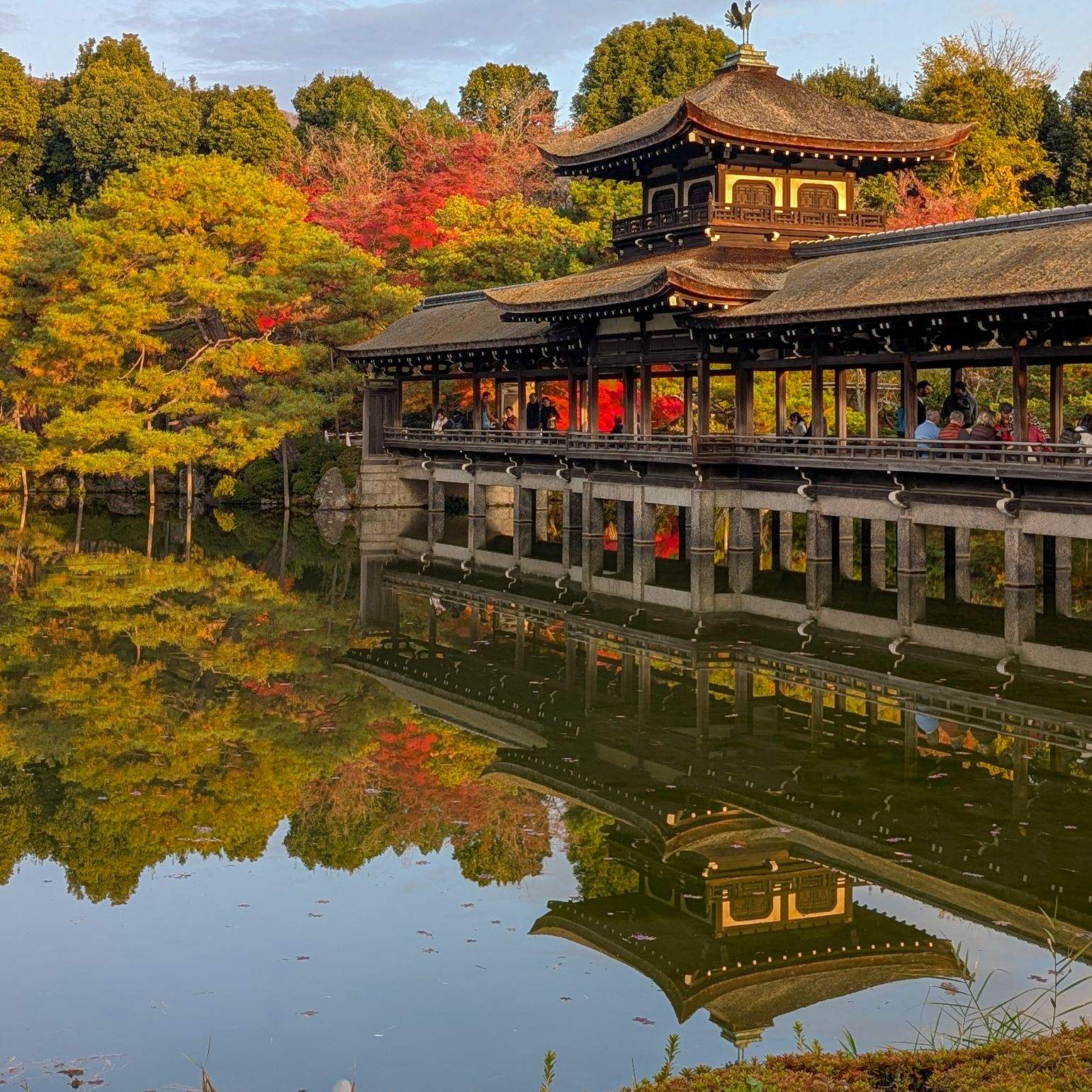
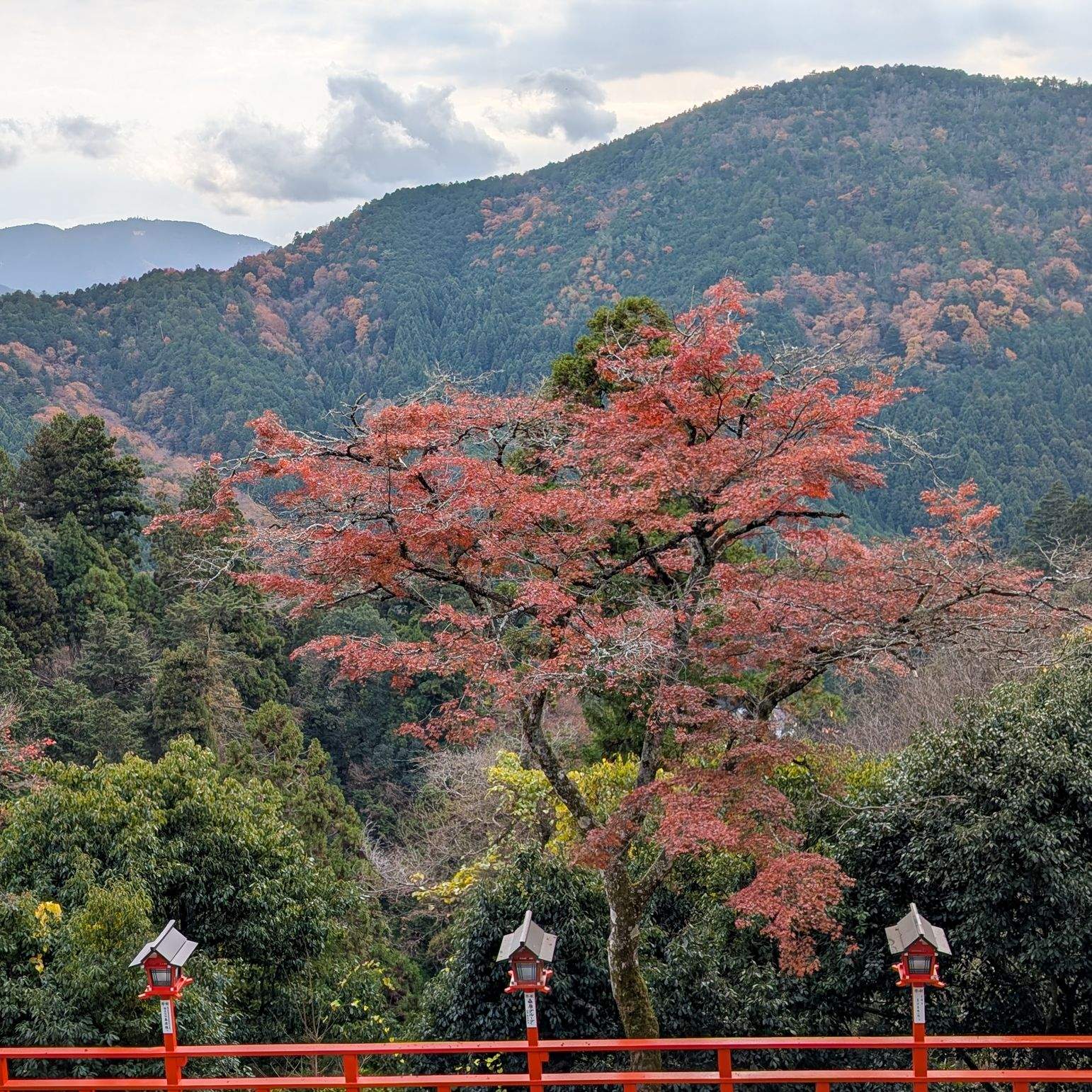
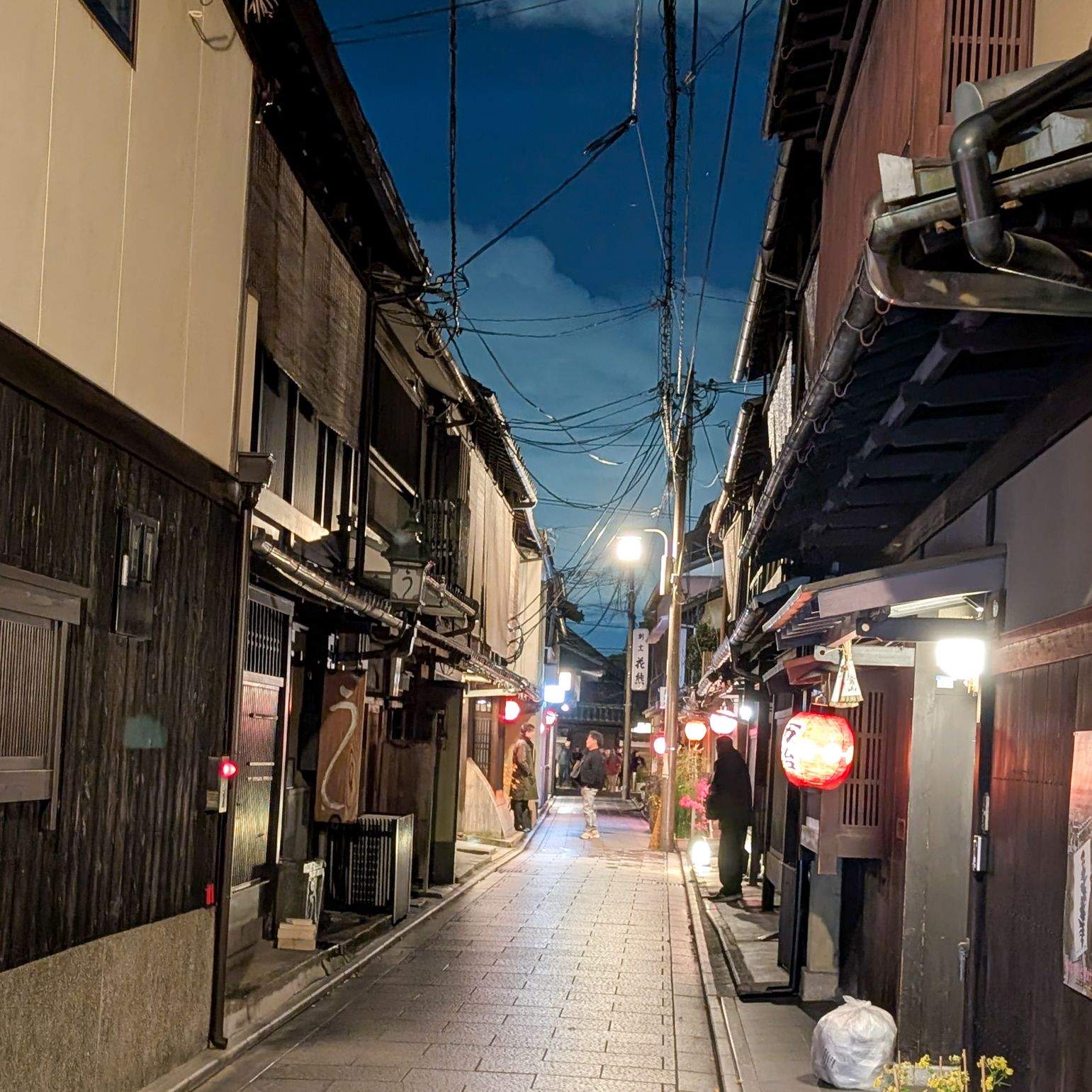
Kyoto (Days 1-2) – The tour begins with Kyoto's cultural foundations. Explore the city's east end, visiting Heian Shrine and its gardens, before heading into the Kitayama Mountains on day two. The hike between Kurama and Kibune villages follows wooded trails, passing shrines and temples tucked into the forest. Back in Kyoto, you'll walk through the Gion Geisha district. This section grounds you in Japan's traditional culture before the itinerary heads north to less-travelled regions.
Akita Prefecture (Day 3-5) – The bullet train north brings you to Lake Tazawa, Japan's deepest lake, and the surrounding region. These three days cover cultural immersion in Kakunodate's samurai district (including the kabazaiku cherry bark craft), sake production at a family-run brewery, and a night at a traditional ryokan in Nyuto Onsen village with its natural hot spring baths. This is where the tour slows down, and you experience Japan at an entirely different pace than Kyoto or Tokyo.
Iwate Prefecture (Day 6-8) – The Michinoku Coastal Trail and coastal communities. This portion includes a village walk in Fudai to the tsunami floodgates, a hike to an ancient shrine with a traditional Kagura performance, and guided hiking along the coastal trail. This is where you witness resilience, communities coming together, and landscapes that most international travellers never get to see.
Tokyo (Days 9-11) – Take the bullet train south to one of the world's largest cities. Explore Shibuya's energy, the historic Sensō-ji temple and Nakamise-dori market, Meiji Jingu shrine in Yoyogi Park, and the counterculture neighbourhood of Harajuku. The tour ends with your choice: a day trip to Kawaguchiko to view Mount Fuji, or a deep-dive food tour through the Yanaka district. After experiencing northern Japan's quieter pace, Tokyo feels less like chaos and more like community systems functioning at a massive scale.
Kyoto: The Cultural Foundations
Starting in Kyoto. Why This Beginning Matters
Kyoto offers the balance this trip is built on: city, culture, and access to nature. Yes, it has a reputation for crowds, but step slightly off the main routes, and you find the serene pockets that remind you why this city has continued to matter for over a thousand years.
We stayed in the eastern Sakyo ward at The Hotel Higashiyama by Kyoto Tokyu Hotel, with easy shuttle access from Kyoto Station. Our first day included Heian Shrine, built in 1895 to re-anchor Kyoto's identity after losing its capital status to Tokyo, and its gardens designed for the kind of slowness that becomes a theme throughout this trip.
The next day, we took a local train north to the Kitayama Mountains. The hike between Kurama and Kibune villages follows forested trails, passing Kurama-dera temple and Kifune-jinja shrine, a sacred site where communities historically negotiated with nature rather than controlling it.
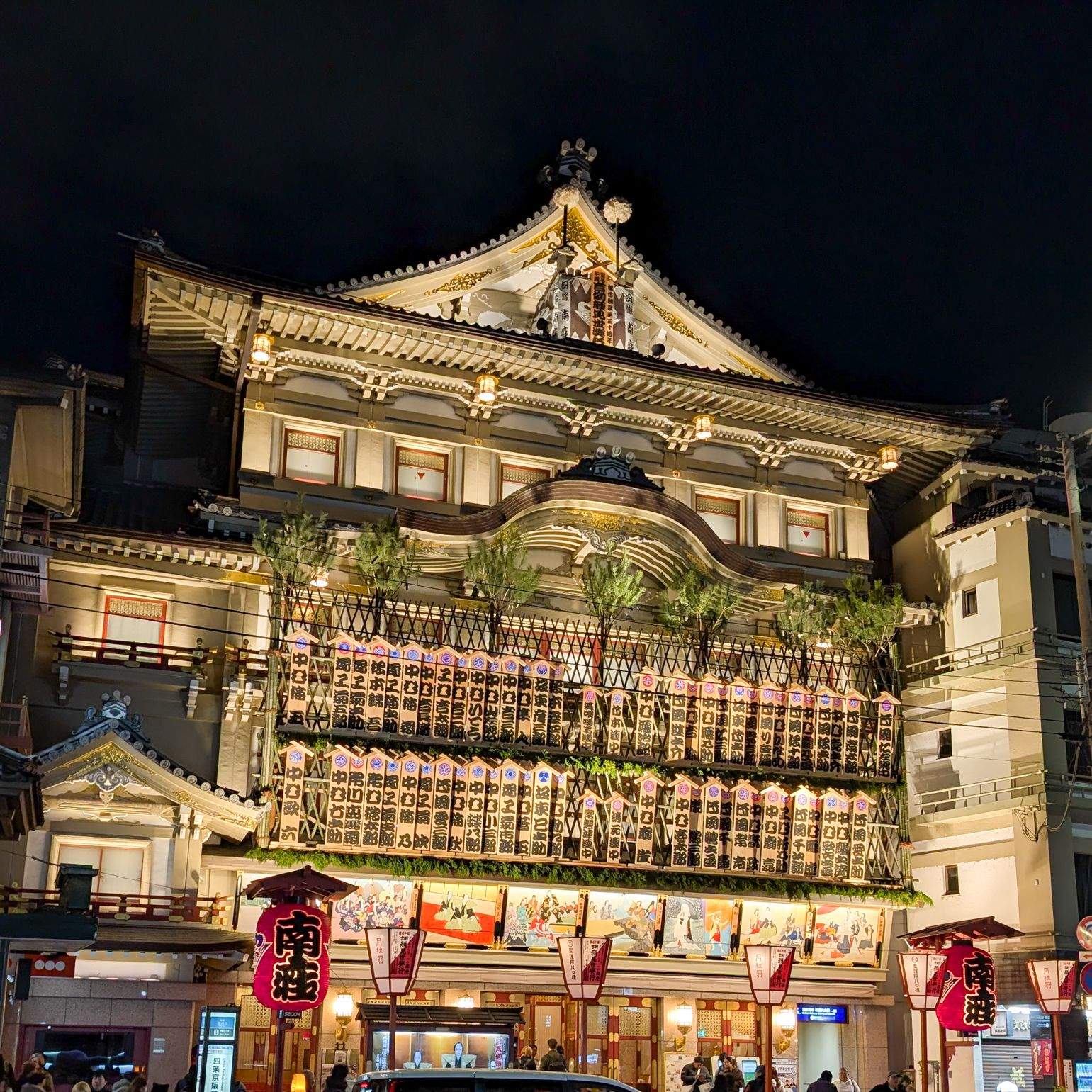
Back in Kyoto, we walked through Gion's wooden architecture and narrow alleys — living neighbourhoods where centuries-old Geisha traditions continue quietly, not as performance but as practice.
Kyoto provides the cultural grounding. What happens in Akita and Iwate builds on it.
Akita: Craft and Community in Northern Japan
Lake Tazawa, Kakunodate, Daisen, and Nyuto Onsen
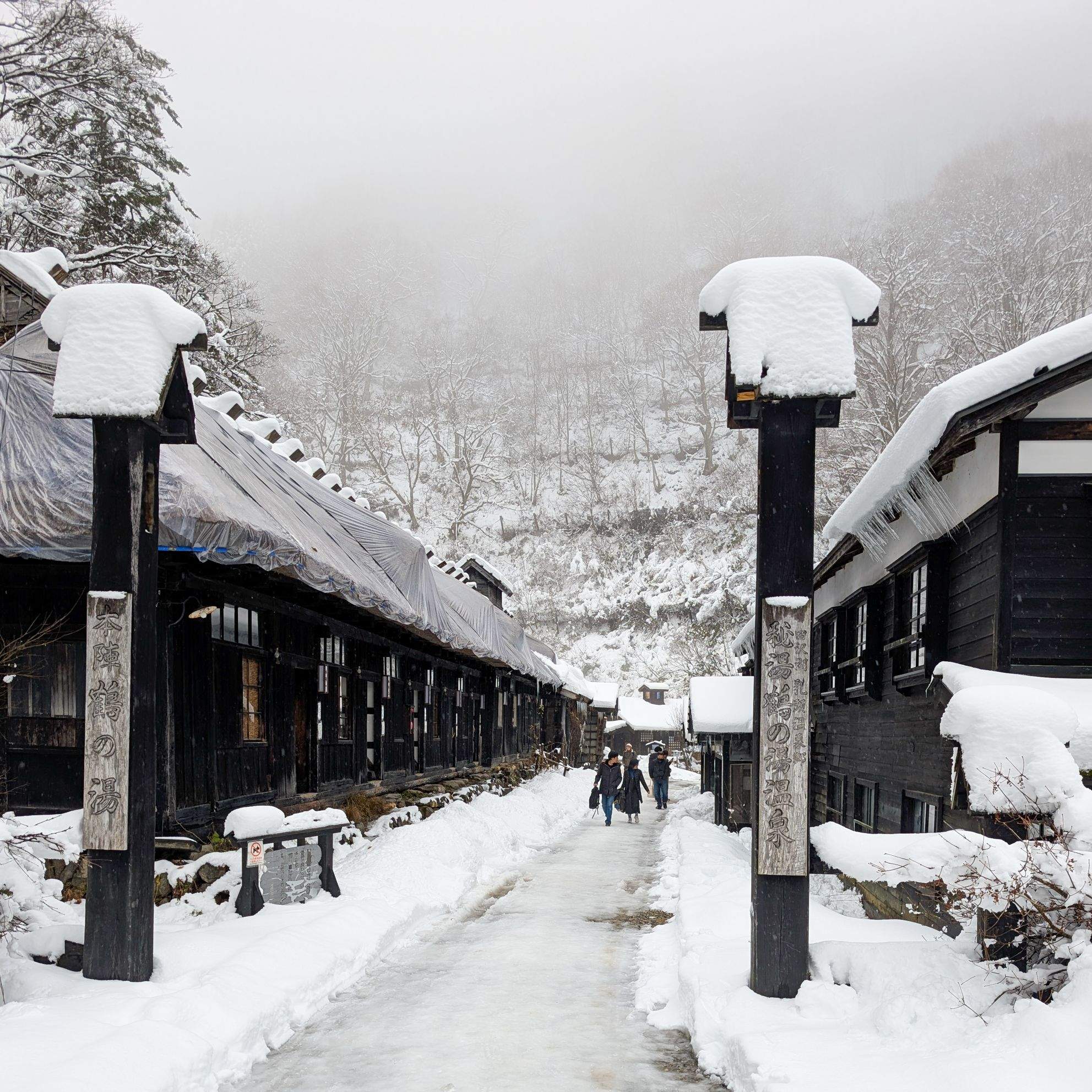
When we arrived at Tazawako Station in early December, we stepped into a snow globe. The Akita Prefecture is known for lush green forests, but our arrival brought thick snowflakes blanketing Kakunodate and the surrounding villages. Winter wasn't part of this tour's regular schedule, but experiencing rural Japan under snow offered cozy moments you'd never find in the summer months.
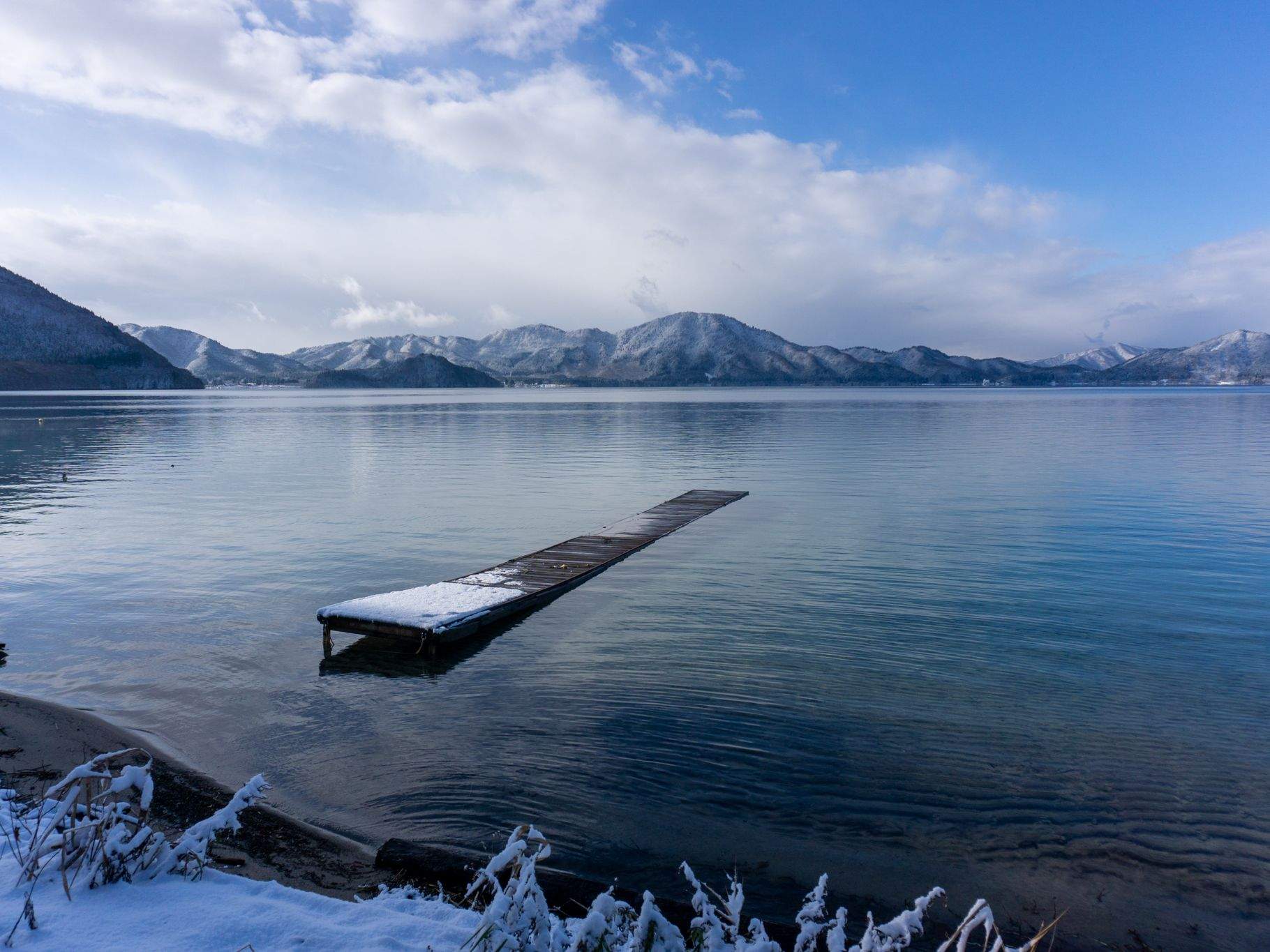
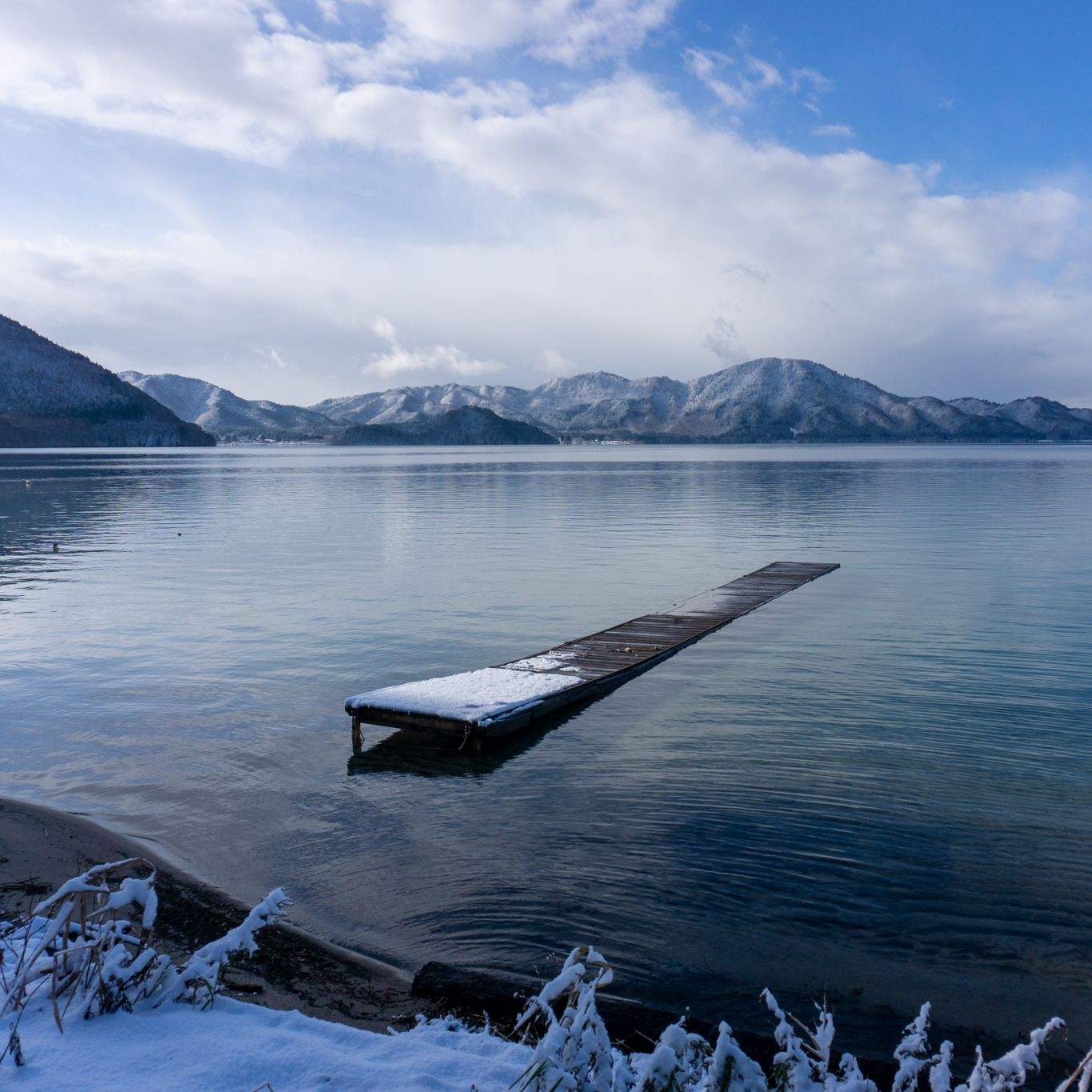
The snow meant no kayaking or biking around Lake Tazawa, but G Adventures adapted quickly. Our guide walked us along the lake's edge, telling the legend of Tatsuko, the girl-turned-dragon who lives beneath the surface. The lake is volcanic and never freezes. Even when surrounded by snow-covered mountains, the water remained open and still.
The adaptations brought unexpected community moments. Our bus driver took us through small villages to a community space where three local women walked us through making onigiri, rice balls shaped by hand and filled with seaweed or salmon. Then he drove us to Yama No Hachimitsuya, a mountain honey shop with a tasting section of local honeys, each variety distinct in flavour depending on what the bees had foraged.
We stayed two nights at Lake Tazawa Rose Park Hotel. The rooms featured wide windows spanning the length of the wall, overlooking the lake with Tazawako Ski Resort appearing and disappearing in the clouds behind snowy peaks.
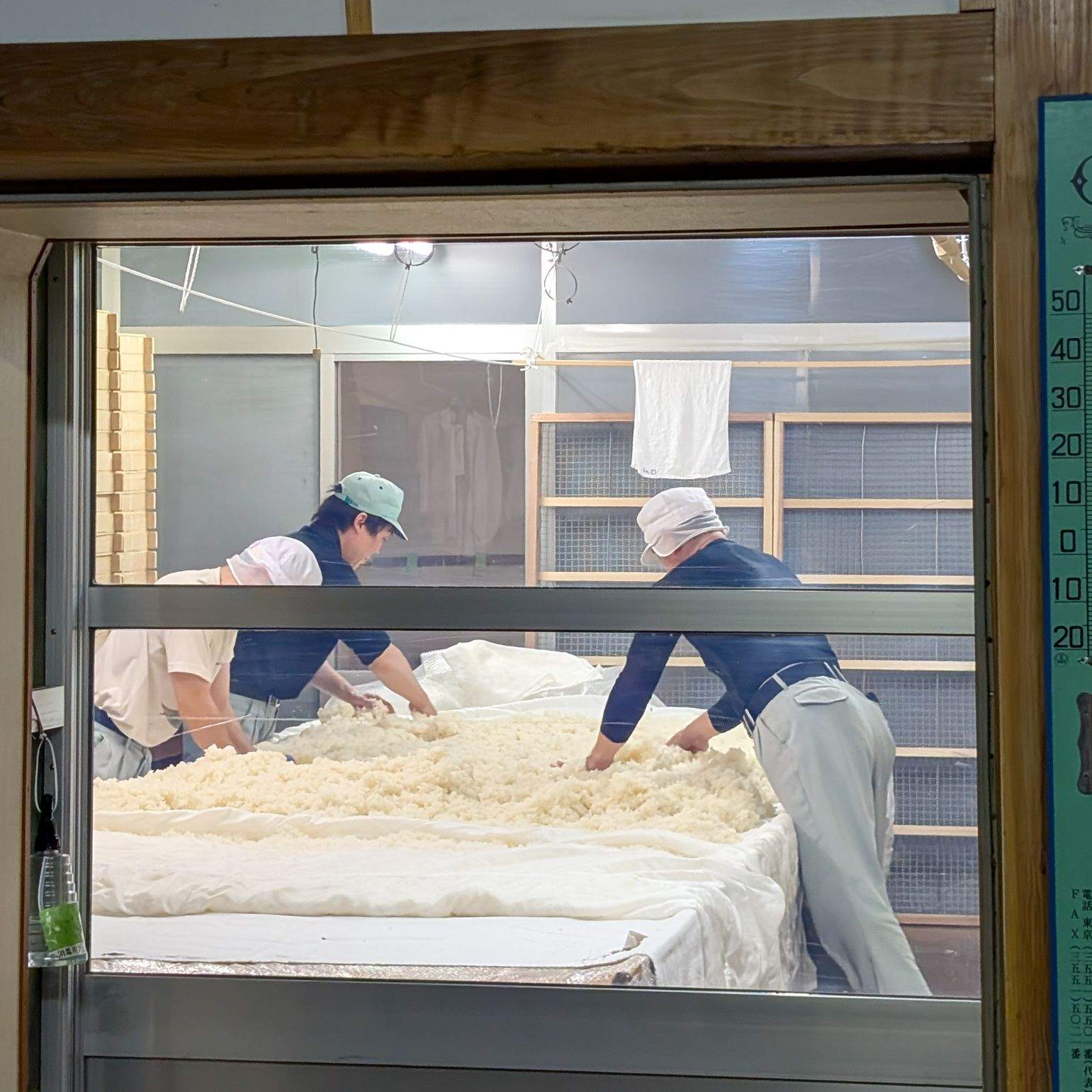
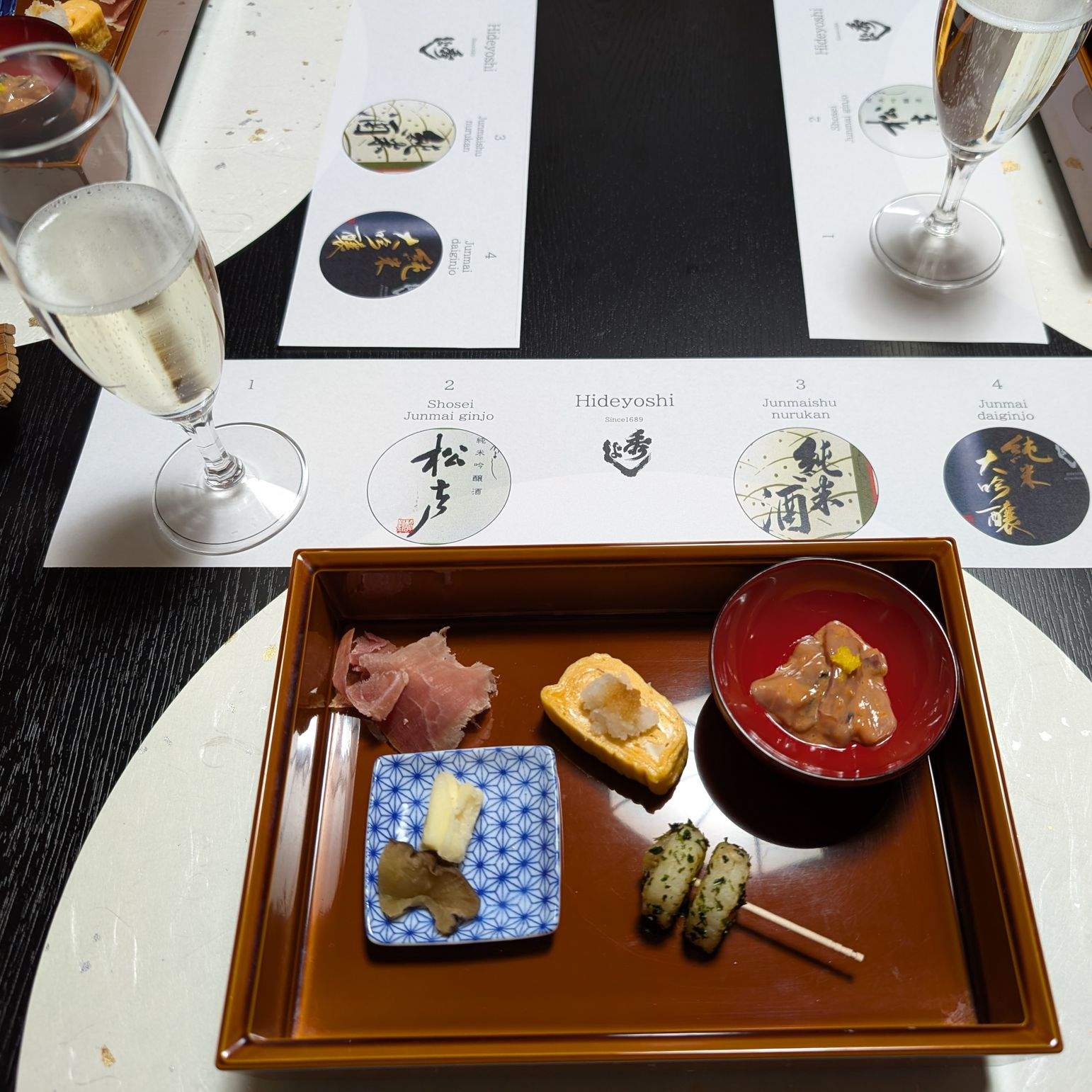
Our last full day in Lake Tazawako included a tour and tasting at Suzuki Brewing in Daisen, a family-run sake operation. The family walked us through their process, then poured tastings of their different varieties, accompanied by amazing food pairings.
The next day, we headed to Nyuto Onsen village. The tour through the hot spring area is typically done by e-bike. In winter, it meant a bus ride and a short hike led by Nammy, our local guide. We stayed at Tae no Yu, a traditional ryokan with indoor and outdoor gender-separated and mixed onsens overlooking a waterfall that lights up after dark. Soaking in the outdoor bath while giant snowflakes fell around us and the waterfall cascading beside us, that kind of stillness is rare. Zen isn't quite the right word, but it's close.
This is where Akita shines and what makes this region truly memorable. It’s not about the famous landmarks or big city energy. It’s about the quiet, rural, natural environment where the locals show up, be their genuine selves, and share what they have. Whether it’s an elderly man joining a craft workshop, local women teaching us how to make onigiri, or a candy vendor offering samples with genuine warmth, the hospitality was slow, genuine, and real.
Iwate: Resilience and Community in Action
Fudai Village, the Michinoku Coastal Trail, and an Earthquake
After travelling three hours East by private bus with a few stops at the roadside stations, we arrived at Fudai, a small village on the Pacific Ocean in the Iwate Prefecture.
We were instantly greeted by locals and ate lunch at Cafe Awai, where the owner, Kenji Fujimoto, took the time to talk to us and share his story. He moved from Chiba Prefecture, outside Tokyo, to Fudai to open the cafe as part of KP Co-living, a co-creation program for digital nomads and young professionals to engage with local life and bring people back to rural areas like this. When we left, Fujimoto-san put his hand on our shoulders, gave us a warm smile, and sent us off. Later, we met a local who took us to the Fudai Floodgates.
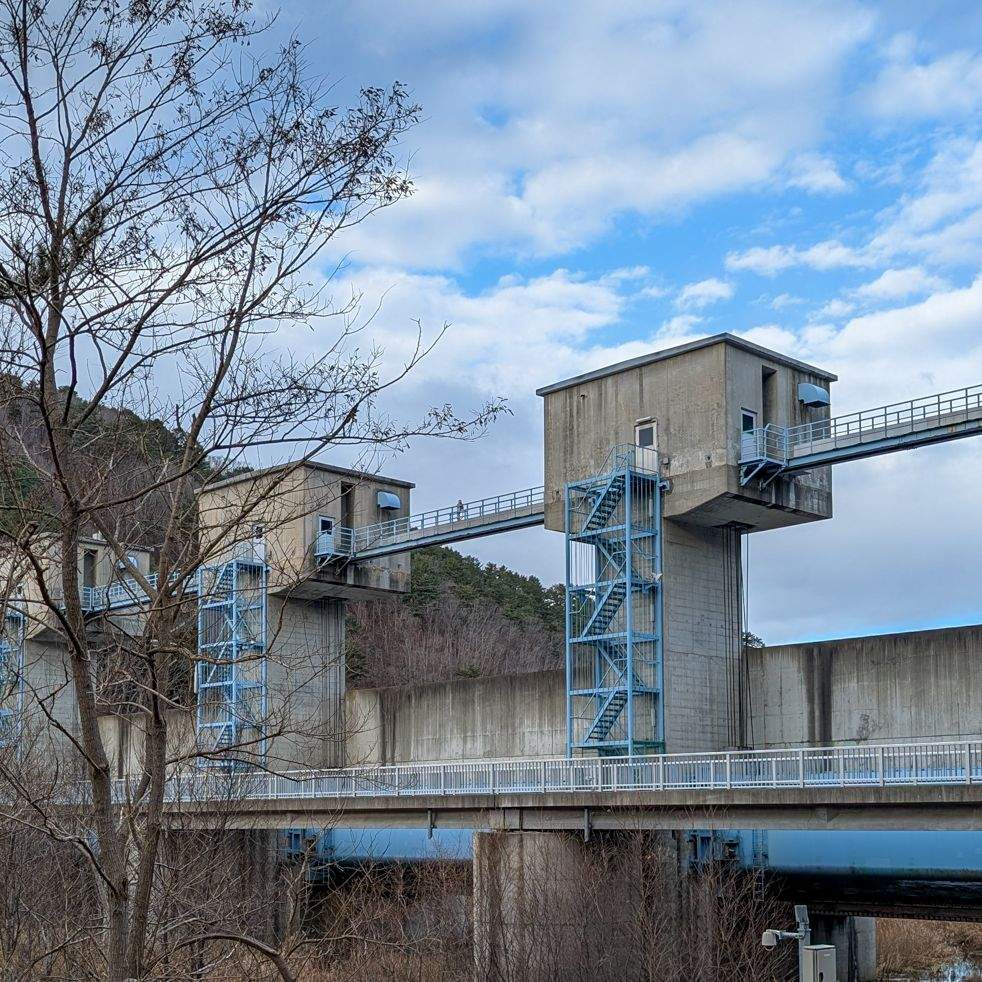
With the town lying low and being susceptible to earthquakes and tsunamis, in the 1960’s, the mayor of Fudai proposed a 51-foot (15.5-meter) high floodgate. The towns' residents rejected the idea, given how much the project would cost, but the mayor went ahead with it anyway, knowing there was a chance of a tsunami that could wipe out the entire village.
Sure enough, in 2011, a 9.1 magnitude earthquake hit the Tōhoku region, followed by a 130-foot (40 metres) Tsunami, killing just under 20,000 people. But the town of Fudai only had one casualty, a fisherman who was outside the gate trying to save his fishing boat. The floodwall saved the community and left the town virtually undamaged.
Our tour guide was a local of the neighbouring community. She herself experienced the 2011 Tsunami and personally knew a few people who lost their lives. She knew it was her calling to educate and bring awareness of the tragedy of this event.
Standing at the floodgate, witnessing our guide getting emotional as she told the story, that’s when the scale of 2011 became real. This wasn’t history; it was barely a decade ago.
But what was most impressive was the community’s resilience. The forward-thinking mayor, the firefighter who risked his life to close the floodgate, and the community's ability to come together and recover from tragedy. This is what made this town so special.
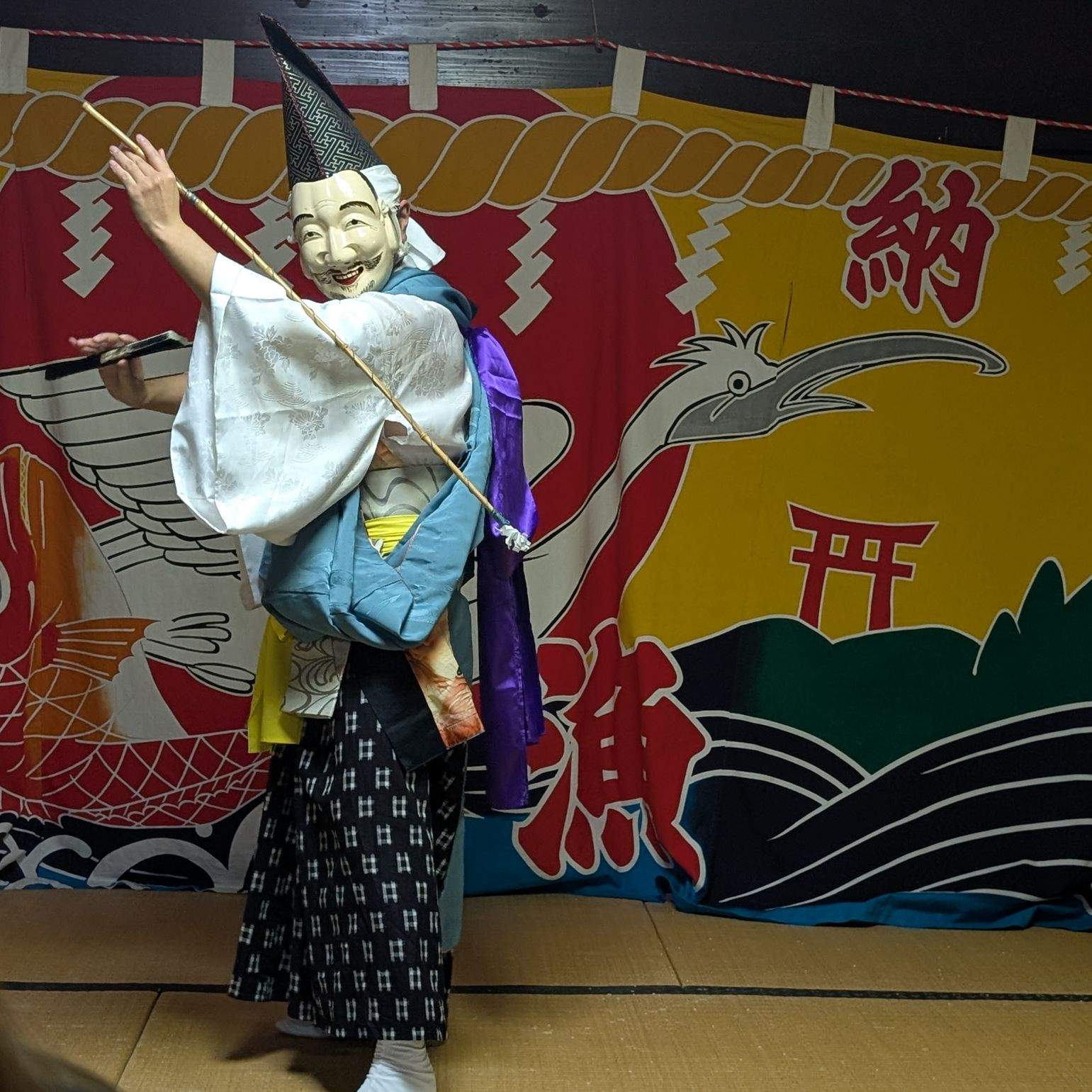
That afternoon, we hiked to the Unotori Shrine with amazing views of the Pacific Ocean, followed by a private Kagura performance. The Kagura is a Shinto ritual dance to invoke rich catches and good harvests, performed by young locals who have returned from university and learned the dance so they can carry their traditions on to the next generation. The performance felt intimate. It involved audience engagement, and they let us play the cymbals and taiko drum they used in the performance.
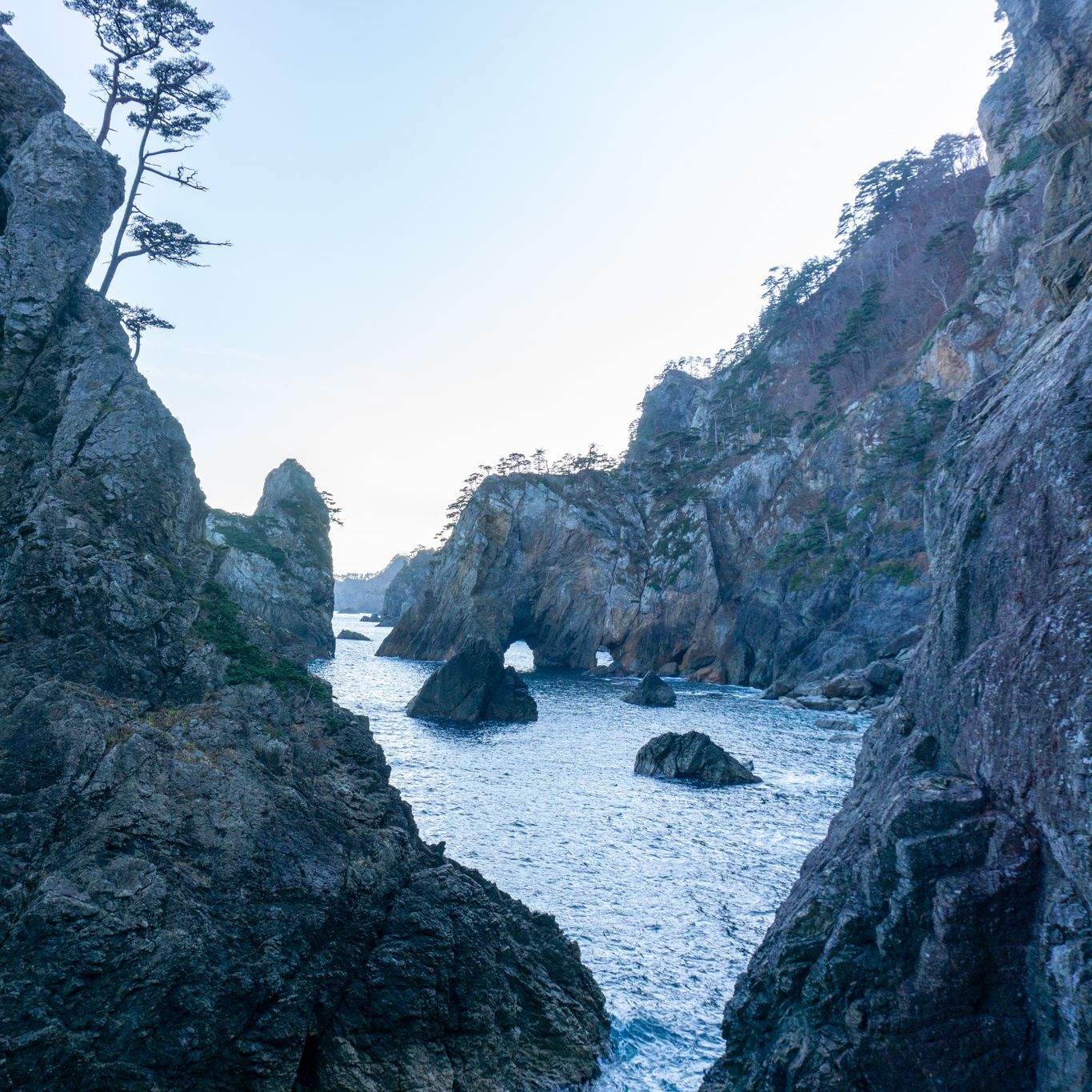
The next day, we hiked 9 km of the 100 km-long Michinoku Coastal Trail with our hilarious guide Aka-san. With endless views of the blue waters of the Pacific Ocean and soaring rock cliffs along Japan's Eastern coast, this hike was one to remember.
A weather-cancelled boat tour became a salt-making workshop. We then toured Kitayama beach and saw the ruins of the Aketo coast seawall, which was destroyed during the 2011 tsunami. The tsunami picked up debris and pulled it out to sea during the backwash stage, taking the seawall with it.
And when the tour of the Tohoku region couldn’t get any better, things got a little shaky.
It was around 11 pm at the Park Hotel Jodogahama. Our phones woke the entire group. It was an earthquake warning. A 7.6 magnitude earthquake struck off the coast of Aomori, roughly 150 km from where we were staying. Not long after the warning, the earthquake struck our area. The hotel shook for about 2 minutes, then stopped. A 1-3-metre tsunami warning turned out to be only a 30-centimetre tsunami.
Throughout this time, our tour leader (CEO) contacted us immediately and provided updates on the situation. We had representatives from the Tohoku Promotion Organization staying at the hotel, helping us however they could, giving us updates on the Tokyo train schedule for the next morning, and a few of us gathered in the hallway just to chat and process what we were experiencing.
Throughout the event, the front desk provided updates. Looking out the window of my hotel room, I could see the fishermen from the nearby village head out to sea all together in their fishing boats, so no one would be on their own. This was the foundation of true Japanese culture. In times of need, or when someone just needs a helping hand, the community comes together to support one another in any way possible, even if it could be fatal or life-threatening.
For me, this was exciting. As a Canadian, this was my first earthquake. It reinforced something I’d been seeing throughout Japan: you can't dominate nature. You prepare for it, you respect it, and you build systems around it. The Japanese understand this in a way most places don't.
The next morning, we couldn’t go down to Jodogahama Beach because of safety concerns. We planned to have media come and interview us about our time in the Tohoku region at Jodogahama Beach, but after the earthquake, they interviewed us in the hotel, mainly to ask about our experience with the earthquake.
Tokyo: Community at Scale
Shibuya, Asakusa, and the Choice: Mount Fuji or Food Tour
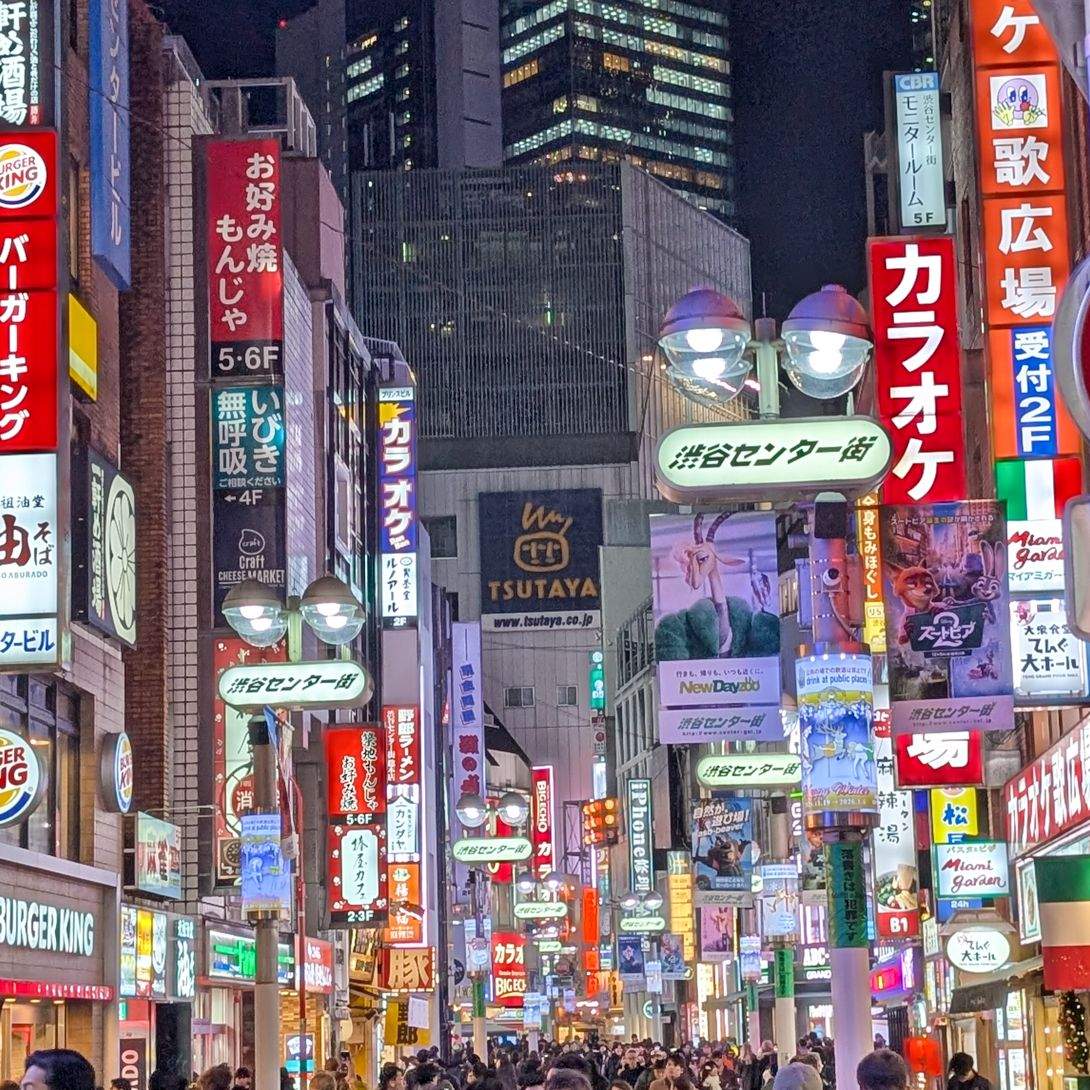
Coming from rural Japan to central Tokyo can feel overwhelming at first. We arrived at Tokyo Station and took taxis to our hotel. At first, catching a taxi was a bit chaotic as no one was standing in line. We got into the taxi and ended up at the front of the line to view the infamous Shibuya Crossing. At first, the crossing can feel chaotic, but after you start to get used to it, and in fact, you realize that this city has lots of flow.
The same courtesy we experienced in rural Japan, we also witnessed in Tokyo, just on a massive scale. The people stand on the left side of the escalators to let people pass on the right. On overcrowded trains, people standing by the doors look back to see if anyone needs to get off at the upcoming exit. Even in the big city, people are courteous, there are rules, and people follow them for the most part. Once you figure out these systems, even Shibuya Crossing actually flows very well.
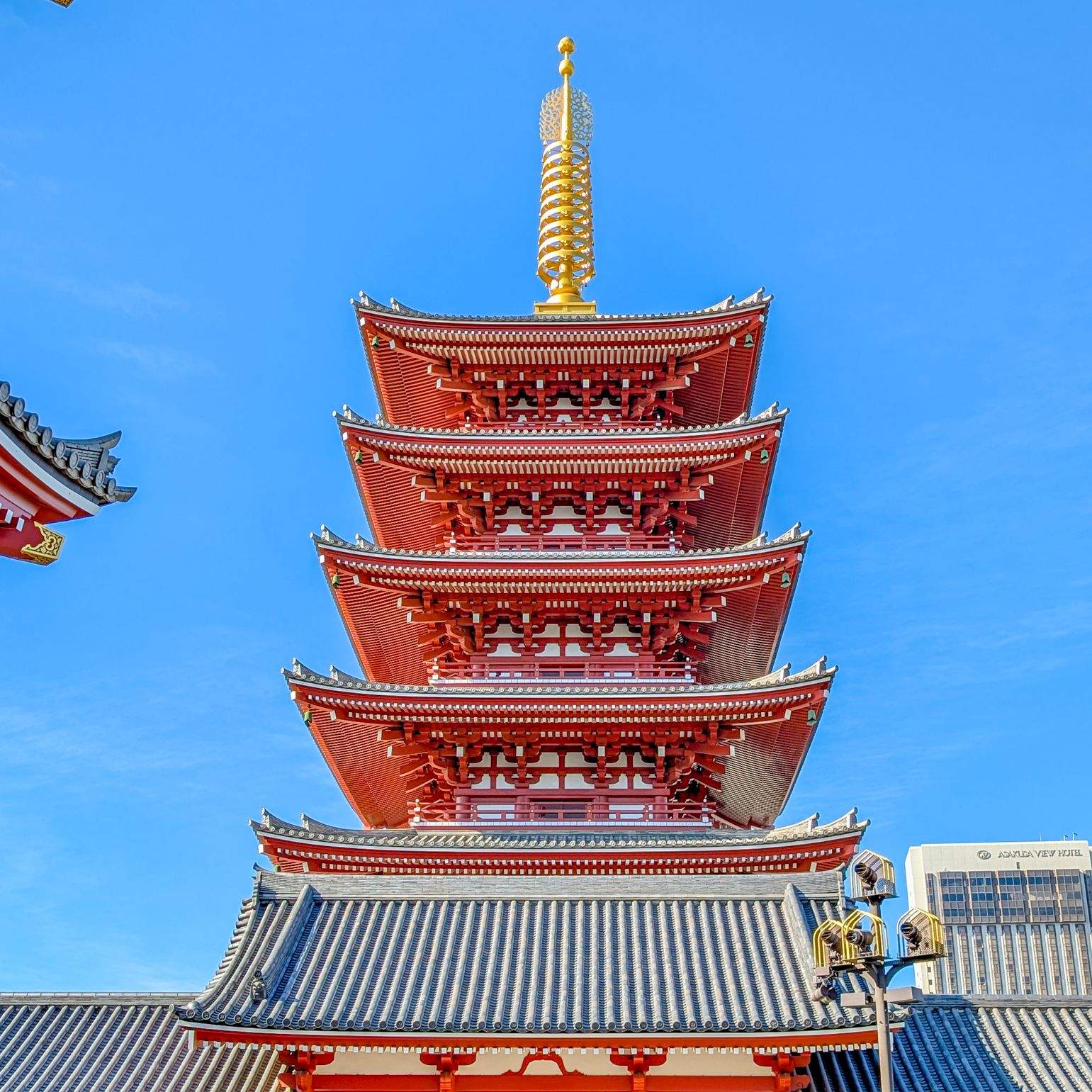
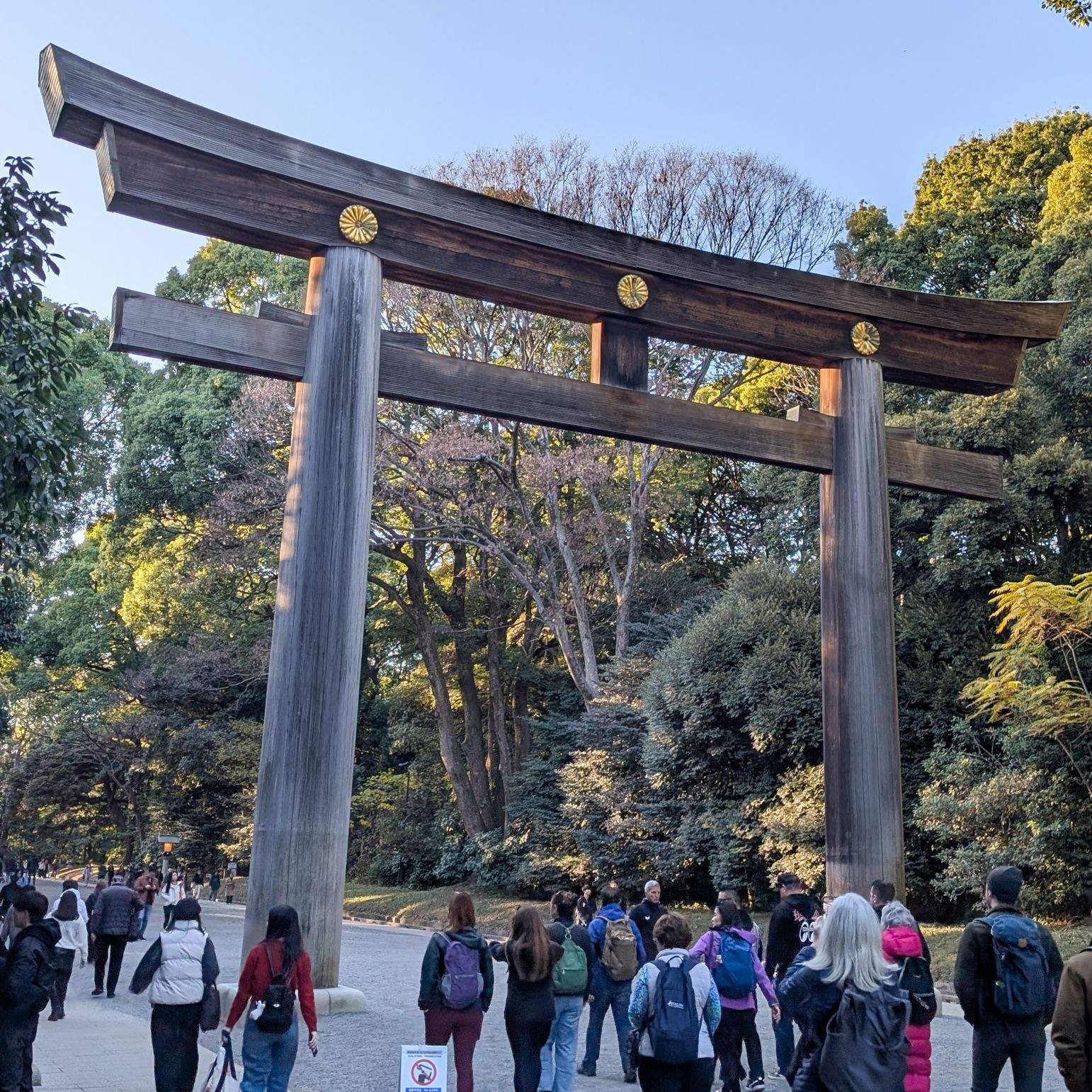
On the first night in Tokyo, we went on a walking tour, passing the famous sights in Shibuya like Parco Mall, Shibuya Crossing, and the rooftop parks. The next day, we visited Asakusa and Sensō-ji, Tokyo's oldest temple, and Nakamise-dori, a market dating back to the 17th century. This section was very crowded, but once we headed to Yoyogi Park, we witnessed that Tokyo can also have its quiet parts. The lush forests and the Meiji Jingu Shinto shrine definitely gave off a more mellow vibe. We ended the tour with a walk through Harajuku, known for its kawaii culture and eccentric street style.
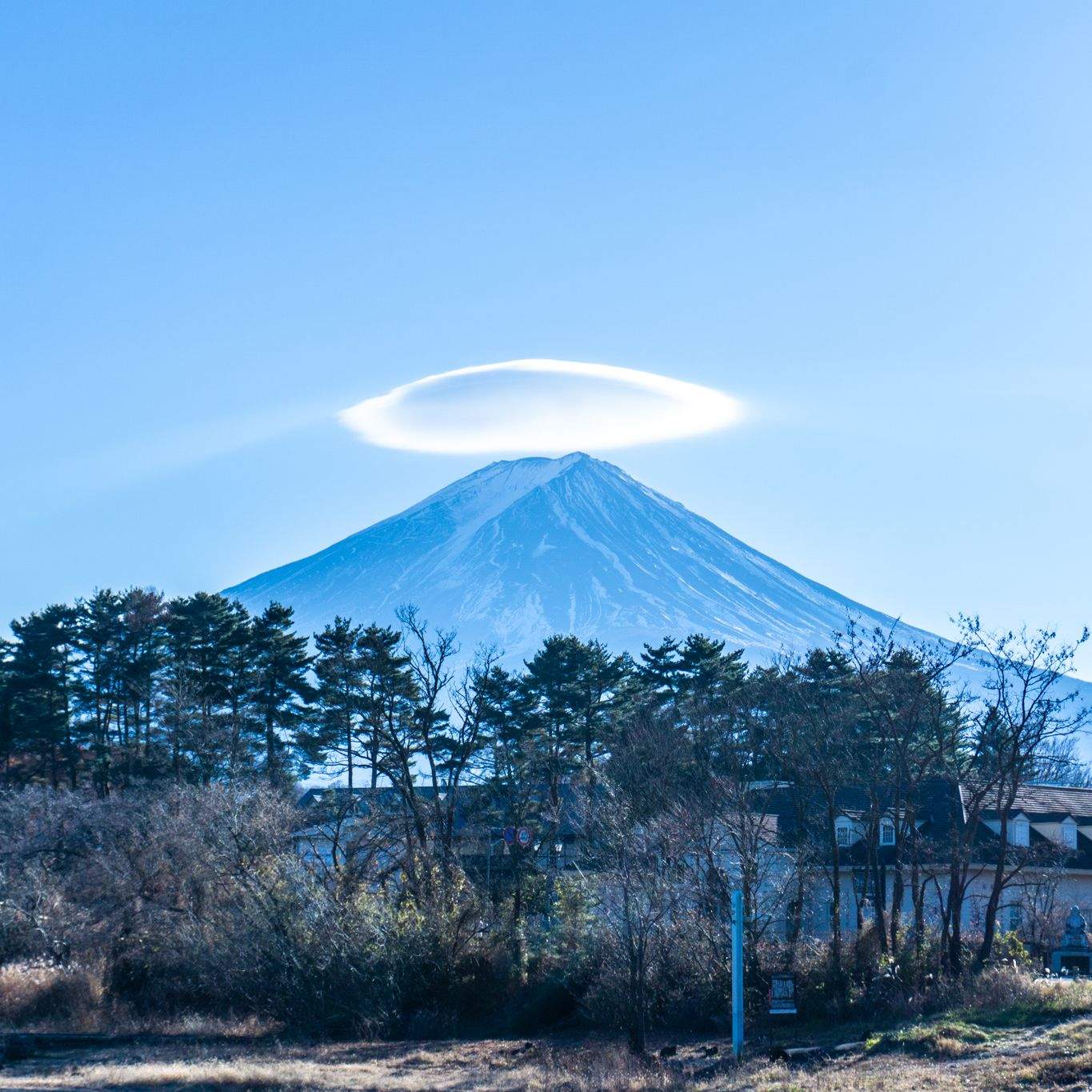
The next day, we headed out of the city to view Mount Fuji. We already saw it on the train once, but heading to Kawaguchiko gave us a much closer view. The clear fall day gave us a crystal-clear view of Mount Fuji, and a cloud formation that formed a halo around the peak, adding to the aesthetic. The beautiful lake, small boutique gift shops and the quaint ice cream trucks selling lavender ice cream made it a relaxing end to the trip.
Tokyo offered a completely different experience from the rest of the trip. For a Canadian, Tokyo gives off a big city energy that nowhere in Canada can really match. The city never sleeps. Shibuya gets busier at night; the neon lights light up the city until sunrise, and the 24-hour Don Quijote can easily pull you in for a 3-hour visit and keep you super stimulated. But it’s exciting, not stressful, because the systems and generous people make it work.
On the very last night at the farewell dinner, we were surprised with a Taiko performance. Drumming was my passion growing up, and I experimented with Taiko drums at one point. So, experiencing a proper taiko performance to end the tour was the perfect send-off.
And that was it. Eleven days, four regions, one earthquake, countless small kindnesses.
What we didn’t expect
Lake Tazawa & Iwate coast beauty – The scenery was mind-blowing. The crystal-clear volcanic lakes and snowy mountains in Akita, followed by the prehistoric rock formations on the Iwate coast, made this trip unforgettable. Many go to Japan for the big cities, but the nature in the north is what stayed with me.
High-paced tour felt smooth – This itinerary is jam-packed and covers a lot of ground, but the pacing never felt rushed. The tour leader handled all logistics. Train times, navigation, and connections, so we just showed up on time and everything worked.
Carry-on tip – G Adventures offers a luggage transfer service, but you don't need it if you pack light. Carry-on-sized luggage fits on the Shinkansen luggage racks, so you can keep everything with you. The Shinkansen trains going from Tokyo to Kyoto have larger luggage racks that can hold more than a carry-on, but those heading north have smaller ones.
Tokyo metro was easier than expected – It is complex at first, but you will learn quickly, and you will be a pro at navigating the metro faster than you think. The CEO will go over how to use the metro when you reach Tokyo at the end of the tour, but watch some YouTube videos beforehand since you'll likely fly into Tokyo. A little prep goes a long way.
Quick adaptations – Because it was snowy in Akita, we had to adjust our itinerary because we could not kayak, cycle, or e-bike. G Adventures was on it. They organized authentic local experiences, such as a tour of a honey shop and an onigiri-making session, which became highlights of the tour.
Few international tourists – You may hear that Japan has an overtourism problem. This is only a problem in certain areas of Japan. In both Akita and Iwate, we saw no other international tourists. The region is working to attract more international tourism.
The earthquake – Of course, we can't forget this. Thank you, G Adventures, The Park Hotel Jodogahama, and the representatives from the Tohoku Region Tourism Board for taking care of us during this experience. It was one to remember.
G Adventures & supplier partners
All G Adventures tours have a CEO who will be with you the entire trip. The CEOs make this trip incredibly smooth. They know how to navigate the metro and Shinkansens, and take time to tell you how to use the Tokyo metro so you can navigate the city in your free time. They also act as tour guides and can significantly reduce the language barrier. And of course, their problem-solving is amazing, as we saw when we had to change our itineraries. The CEOs are what make this fast-paced tour smooth with no hiccups. The small group sizes of G Adventures make this tour very manageable, and the local guides offer a unique insight into the regions that you would not get if you built your own itinerary. This tour has some free time, but mostly in cities. Still, it gives you the opportunity to eat, explore, and shop in Kyoto and Tokyo.
This tour was created in collaboration with G Adventures and the Japan National Tourism Organization and is part of G Adventures' GeLuxe collection, meaning the accommodations are elevated. The hotel and accommodations are highlights in their own right. Some rooms were very westernized, while others were traditional (sleep on the ground with a mattress and a tatami mat underneath). The ones we stayed at were as follows:
The Hotel Higashiyama by Kyoto Tokyu Hotel (Kyoto) – A western-style room located near the metro with free shuttles from Kyoto Station.
Tazawako Rose Park Hotel (Akita) – Western-style rooms, secluded and serene hotel on Lake Tazawa with beautiful panoramic windows.
Tae No Yu (Akita) – Very traditional multipurpose rooms. It’s a small onsen accommodation in the Akita mountains.
The Park Hotel Jodogahama (Iwate) – The rooms facing the Pacific Ocean are traditional, and the rooms facing the front of the hotel are western-style. A beautiful hotel with striking ocean views.
Shibuya Hotel Excel Tokyu – A western-style hotel right on Shibuya Crossing. A few minutes' walk from all the attractions in Shibuya and Shibuya Station is directly below the hotel (the hotel lobby is on floor 5 of Shibuya Station).
And of course, all the local guides, the hotel staff, the restaurant staff, and the Tohoku tourism reps made the trip top-notch and are the main reason I would recommend joining a tour of Japan rather than creating your own itinerary. They made us feel welcome, and they made the trip seamless. Japanese hospitality is something everyone needs to experience.
For transportation, we used the metro in Kyoto and Tokyo, the Shinkansens to get to and from the Tohoku region, and they hired a private bus to get around Akita and Iwate. I want to take this time to give a special shout-out to the bus driver who did an absolutely phenomenal job. He has a reputation for his attention to safety detail, and they try to hire him on every trip. Navigating the snowy mountain roads and crossing the tight bridges in Nyuto Onsen Village was very impressive.
Who is this trip for?
This tour works best for:
Someone with a moderate activity level: G Adventures gives this tour a physical rating of 3 out of 5. The 9km Michinoku Trail sounds long, but it's mainly flat with a few small uphill sections. Generally, trails in Japan are well-maintained and accessible to many people. On steeper sections, they build stairs to accommodate a wide range of fitness levels. The Unotori Shrine was the steepest but shortest hike, and the most challenging. The group moves at a moderate pace and will slow down if needed. Be ready to walk and get some exercise, but it's overall pretty leisurely.
Someone who wants rural Japan over urban Japan: This trip spends much of its time in rural Japan. Even in Kyoto and Tokyo, you spend full days in smaller towns or nature (if you pick the Mt. Fuji tour over the food tour). You don't have much time in the cities.
Someone who doesn't mind long travel days and fast pacing: G Adventures has a reputation for jam-packed tours. This tour is smooth and well-organized, but fast-paced. Some people love this. You really see a lot in 11 days. But if long train days drain you, check the itinerary carefully. There are multiple 3-5 hour Shinkansen rides.
Someone who wants adventure and cultural immersion: There are many adventures to be had on this itinerary, but they also do a fantastic job integrating local Japanese culture into the tour.
Not ideal for:
First-time Japan visitors wanting maximum iconic sites (Tokyo and Kyoto are brief stops)
Travelers who prefer slow-paced, leisurely tours
Anyone uncomfortable with rural areas or small towns
People with significant mobility issues (hiking is required)
Why Tohoku Matters Now
Japan has an overtourism problem in Tokyo and Kyoto, but not in Tohoku. In fact, the Tohoku region is looking to increase and diversify its tourism. Japan is facing a population decline in rural communities as many people leave for big cities in search of employment.
G Adventures tracks a "Ripple Score" for each tour — the percentage of your trip cost that stays in local communities. This tour scores high because of local guides, family-run businesses, and regional accommodations.
This route has some of the most unique landscapes I've seen in my life. The volcanic lakes of Akita, the rugged coastline and calm seas of Iwate, and the endless mountain hikes connecting villages. The scenery is rugged and raw, but very accessible. Something you don't see in many countries. Jodogahama Beach (which we couldn't access due to the tsunami warning) consistently ranks among Japan's best beaches.
This is a region that is often overlooked and where the local population wants more tourism. It's a peaceful atmosphere where you will be welcomed with open arms.
This tour runs from March through November. Here's what each season offers:
Spring: Cherry blossoms (mid-April to early May) — Akita is a prime viewing destination. Book ahead as this is peak season.
Summer: Lush green forests, cooler coastal temperatures in Iwate, and cultural festivals throughout both prefectures.
Fall: Stunning foliage with far fewer crowds than Kyoto or Tokyo. The hikes are strikingly beautiful.
Winter: The tour doesn't run in winter, but the region is a powder skiing destination with small lift lines and deep snow.
Next Steps
Ready to book? Here's how to make it happen.
I'm a travel advisor at Ellison Travel who specializes in Japan and works with G Adventures. Since I've experienced this tour firsthand, I can answer your questions, book the tour for you, and handle flights, travel insurance, and any hotels you need before or after the trip. If you're interested in exploring the Tohoku region in winter, particularly for skiing, I'd be happy to help you plan that as well.
Reach me at:
Email: DanJ@ellisontravel.com
Phone: +1 519 281 8567
You can find my Travel Leaders Network profile here.
I am a licensed travel advisor through Ellison Travel & Tours, 311 Main St, Exeter (Head Office), ON, 1-800-265-7022 (TICO#2392471).
Closing
When our bus pulled away from Fudai, the hotel staff, our guide, Fujimoto-san from Cafe Awai, and the Tohoku tourism reps stood outside waving. They didn't stop when we pulled onto the road. They stayed, waving, until the bus turned the corner and we couldn't see them anymore.
This happened everywhere in rural Japan. Every departure, every goodbye. People waved until we were gone.
The elderly man who walked into the cherry bark workshop wasn't an exception. He was the pattern. Northern Japan doesn't perform for tourists. It just exists, and you get to witness it.